Interior Painting
Prepped right. Painted clean. No drips, no roller marks, no mess left behind.
Prep Is the Whole Job
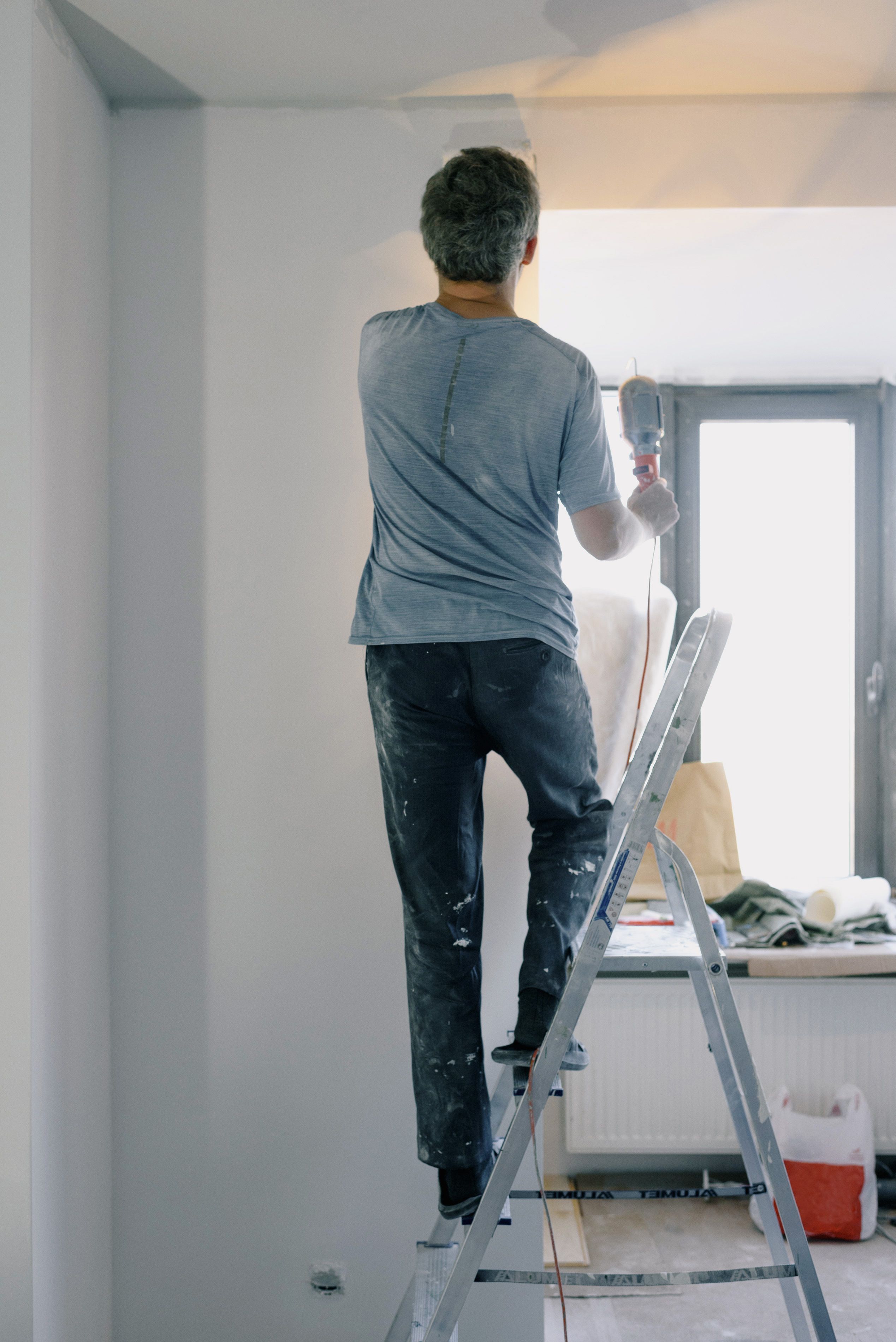
A fresh coat of paint does a lot — but only if the surface is right first. Skipped surface prep is why paint peels, roller texture shows through, and cut lines look messy after the tape comes up.
John fills holes, sands, tapes clean, and applies primer before any color goes on. The paint job looks right because the work underneath it is right.
Get a Paint Estimate
Before & After — Pensacola Interiors
 Before
 After
After
Full-Room or Targeted — Your Call
Interior Walls
Single rooms, whole houses, specific walls. Rolled and brush-cut for a smooth even finish.
Ceilings
Flat or textured ceilings painted without lap marks. Includes protecting floors and fixtures.
Trim & Baseboards
Hand-brushed trim, baseboards, door frames, and window casings — crisp lines, no bleed.
Accent Walls
One bold wall color, properly masked and cut. Makes a room. Done in an afternoon.
Doors
Interior door painting — front and back, including frames. Brush-applied for a smooth finish.
Touch-Ups
Scuffs, chips, and worn spots matched and touched up. Can bring paint samples or you provide the can.


How a John Roberts Paint Job Works
Surface Prep
Holes filled, cracks sanded, surfaces wiped clean. If it's not ready for paint, it doesn't get painted yet.
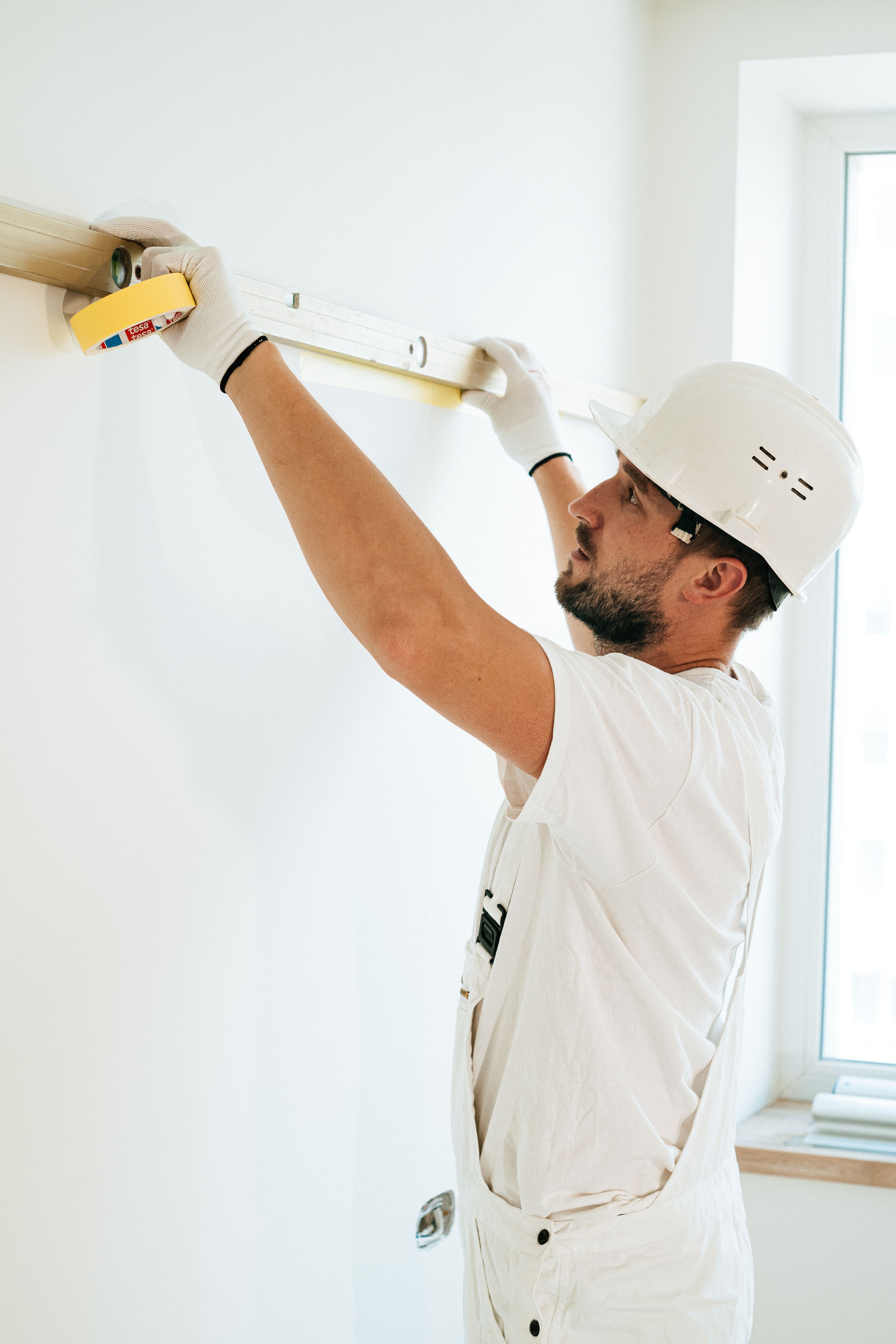
Tape & Cover
Trim, floors, and fixtures masked. Furniture moved or covered if you haven't already.
Prime (If Needed)
New drywall, dark colors being covered, or stains get primed first. Not always needed — John advises.
Paint & Cut
Walls rolled, edges brush-cut. Two coats where needed. Tape pulled before the second coat fully cures for clean lines.